


Did you know that the elevation of your home can directly impact how well your heating and cooling system performs? Many areas of Utah sit between 3,000 and 7,000 feet above sea level, and the thinner air at higher elevations changes the way HVAC systems operate.
Whether you're building a new home or replacing an existing system, when you understand how elevation affects your HVAC equipment can help improve comfort, energy efficiency, and the lifespan of your system.
1. Thinner Air Reduces Efficiency
Air becomes less dense as elevation increases which means your HVAC system has less air to move and less oxygen available for combustion in gas furnaces.
For air conditioners and heat pumps, with Utah having thinner air it can reduce heat transfer, making the system slightly less efficient than it would be at sea level. While modern equipment is designed to handle a range of elevations, with proper installation and the right setup are essential for peak performance.
What this means for homeowners:
- Cooling performance may decrease if the system isn't correctly sized.
- Equipment may run longer during extreme temperatures.
- Proper airflow becomes even more important.
2. Gas Furnaces at High Altitudes Require Adjustments
Gas furnaces rely on oxygen to burn fuel efficiently and at higher elevations, the reduced oxygen can affect combustion which causes the furnace to produce too much fuel for the available air.
Without proper adjustments, this can lead to:
- Reduced heating efficiency
- Increased fuel consumption
- Soot buildup
- Premature wear on furnace components
Most manufacturers require gas furnaces installed above certain elevations to have the burner properly adjusted according to their installation guidelines. This helps ensure safe and efficient operation.
3. Proper HVAC Sizing
Many homeowners assume that "bigger is better" when it comes to heating and cooling systems. In reality, an oversized HVAC system can create comfort problems, especially in Utah's varying elevations and climates.
An oversized system may:
- Short cycle
- Wear out components faster
- Struggle to maintain consistent temperatures
- Waste energy
There are several factors like elevation, insulation, square footage, windows, and local climate to determine the right equipment for your home.
4. Critical Airflow at Higher Elevations
Because the air in Utah is thinner, your HVAC system depends on unrestricted airflow to perform efficiently.
Simple maintenance tasks can make a big difference:
- Replace air filters every 1–3 months.
- Keep supply and return vents open.
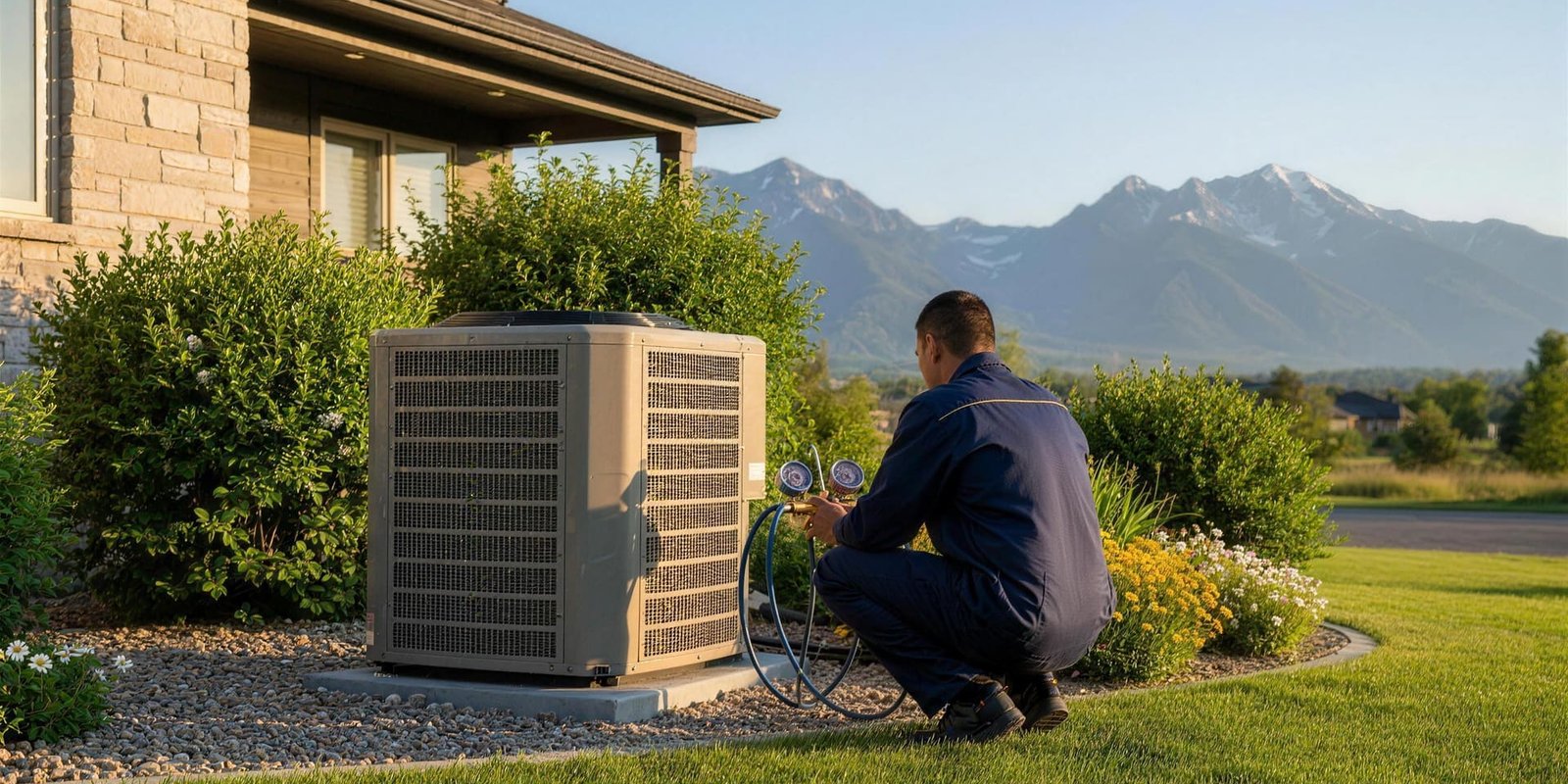
- Clean the outdoor condenser regularly.
- Schedule annual HVAC maintenance.
Good airflow helps your system deliver consistent comfort while reducing unneeded strain on the equipment.
5. Professional Installation Makes All the Difference
Installing an HVAC system at higher elevations isn't the same as installing one at sea level. Having the proper sizing, correct airflow adjustments, manufacturer-recommended settings, and system commissioning all contribute to long-term performance.
An experienced HVAC contractor understands how local climate and elevation affect equipment and can ensure your system operates safely and efficiently for years to come.
Keep Your HVAC System Performing at Its Best
Utah's elevation presents unique challenges, but with the right equipment, proper installation, and routine maintenance can keep your home comfortable in every season. Whether you're replacing an older system or simply preparing for the next heating or cooling season, working with knowledgeable HVAC professionals can help you maximize efficiency and avoid unnecessary repairs.
At Mammoth Heating and Air, we understand the demands that Utah's elevation and climate have on HVAC systems. Our team provides expert maintenance, repairs, and installations that are designed to keep your home comfortable while helping your equipment perform at its best.
FAQ
Does high elevation affect my air conditioner?
Yes, being at a higher elevation can slightly reduce heat transfer, which may affect cooling performance if the system isn't the right size or maintained on an annual basis.
Do adjustments need to be made on gas furnaces at higher elevations?
Yes. Many manufacturers require furnace adjustments at higher elevations to ensure proper combustion, efficiency, and safe operation.
Does being at a higher elevation shorten the life of my HVAC system?
Not directly. However, an improperly installed or poorly maintained system may experience additional wear because it has to work harder to maintain comfort.
Is regular HVAC maintenance more important in Utah?
Absolutely. Utah's combination of dust, high elevation, and extreme seasonal temperatures makes routine maintenance one of the best ways to improve efficiency and prevent costly repairs.
How do I know if my HVAC system is properly sized?
A qualified HVAC contractor should perform a professional load calculation that accounts for your home's size, insulation, windows, climate, and elevation before recommending new equipment.